


The Microplastics Institute
The
Micro -
Plastic Institue
The MicroPlasticInstitue
Small Particles.
Big Data.
Bigger Impact.

Microplastics have been found throughout our oceans, from surface waters to the deepest parts of the sea. These tiny plastic particles can move through water, air, soil, and living systems, raising important questions about how they affect the environment and the people and wildlife that depend on it.
The Microplastics Institute is working to better understand the problem, build the data needed to address it, and turn that knowledge into meaningful environmental action.
The Microplastics Institute is working to better understand the problem, build the data needed to address it, and turn that knowledge into meaningful environmental action.
Microplastics have been found throughout our oceans, from surface waters to the deepest parts of the sea. These tiny plastic particles can move through water, air, soil, and living systems, raising important questions about how they affect the environment and the people and wildlife that depend on it.
Addressing microplastic pollution starts with reliable data, long-term monitoring, and collaboration. The Microplastics Institute brings research, education, community involvement, and hands-on experience together to better understand where microplastics are found, how they move through the environment, and what can be done about them.
By connecting these efforts, the Institute can strengthen research and build the knowledge needed to identify effective solutions and drive meaningful environmental action.
Six-Areas.One Connected Mission
The Microplastics Institute brings together six interconnected areas that each play an important role in building our understanding of microplastic pollution
and our ability to address it.
1.

Research Program
The Research Program helps build a better understanding of microplastic pollution by studying where microplastics are found and how they move through the environment.
Through environmental monitoring, sample collection, and collaborative research, the program gathers reliable data while giving students and emerging environmental professionals opportunities to take part in real-world science to inform
2.
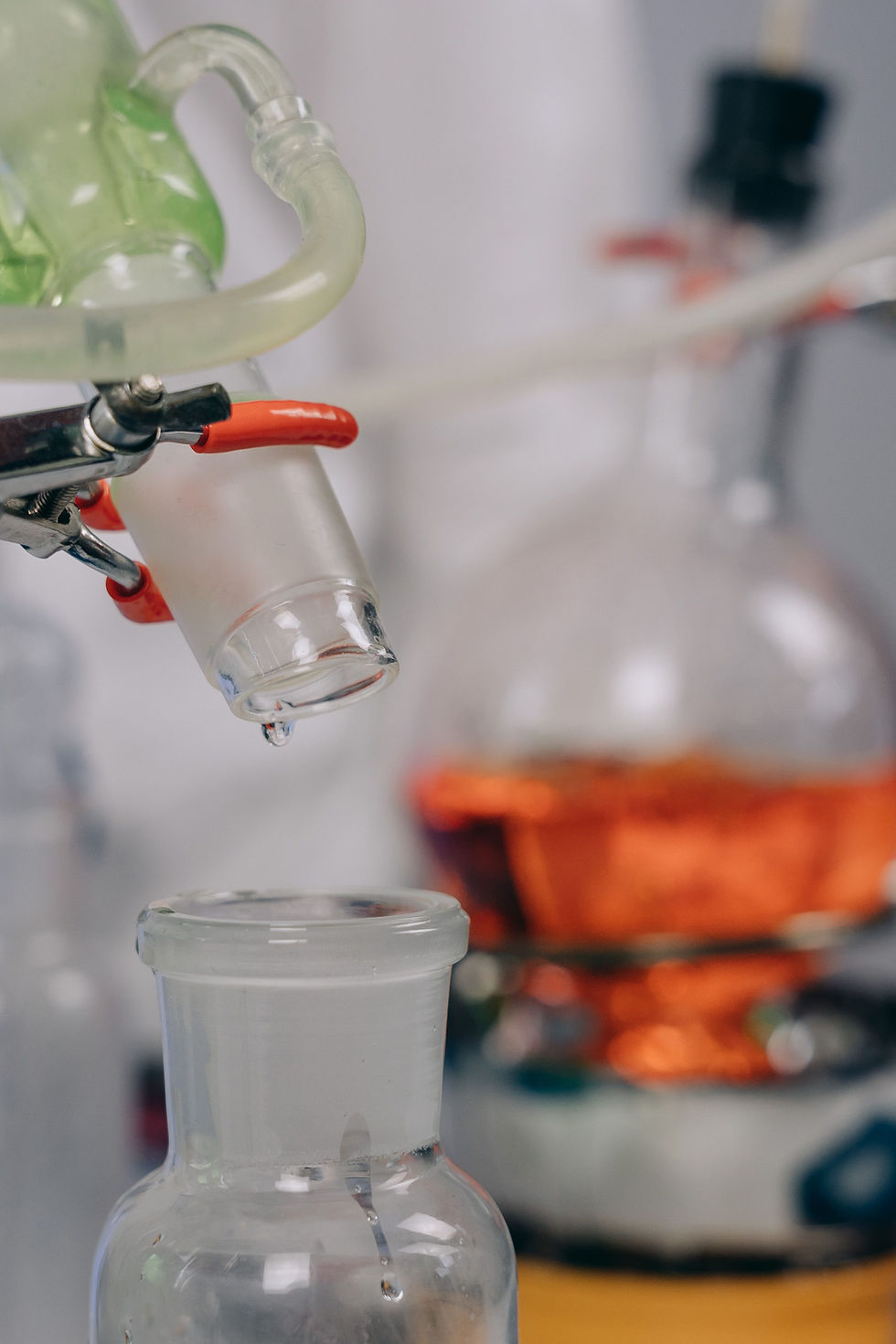
Community Microplastics Lab
The Community Microplastics Lab creates a dedicated space where volunteers, interns, students, and community members can train, process environmental samples, develop laboratory skills, and participate in supervised community science.
Along with expanding the Institute's capacity for research and data collection, the Lab gives participants valuable experience in environmental science and helps prepare the next generation of environmental professionals.

Global Community Microplastics Science Network
3.
The Global Community Microplastics Science Network expands research beyond the Lab by engaging trained volunteers and community partners in standardized water and air sampling around the world.
Through standardized kits, protocols, and training, participants can contribute meaningful environmental data while gaining hands-on experience with microplastics research. As the network grows, these contributions can expand environmental monitoring across more locations and help build a large, community-generated dataset that improves our understanding of microplastic pollution.

4.
Scholastic Microplastics
Scholastic Micro-plastics
Scholastic Microplastics brings real-world environmental science into education through curriculum, educator resources, equipment kits, and research opportunities for those in early childhood through college.
Students can move beyond simply learning about microplastics to participating in standardized research projects, contributing to environmental monitoring, and developing skills they can carry into future education and careers.

5.
Corporate Experiences
The Corporate Experiences Program connects businesses and employees with environmental science through educational events, hands-on activities, community engagement, and sponsorship opportunities.
These partnerships give companies meaningful ways to participate in environmental action while helping expand the research, education, and community programs that make the Institute's work possible.
6.

Testing & Analytical Services
Testing and Analytical Services provide environmental monitoring, sample analysis, consulting, and reporting for municipalities, educational institutions, nonprofits, businesses, and research partners.
Through environmental monitoring, sample analysis, consulting, and reporting, these services can help organizations better understand microplastics in the environments they serve while strengthening the Institute's broader research, education, and community science efforts.
From Science to Environmental Action

Each part of the Microplastics Institute is
designed to strengthen the others.
Together, the goal is to build a stronger body of reliable microplastics data that can help researchers, communities, organizations, and decision-makers better understand the problem, identify solutions, and make informed decisions that protect our environment.
Be Part of the Science!

Gaining a better understanding of microplastic pollution and the solutions to address it takes a community of people and organizations working together.
Students, educators, researchers, volunteers, businesses, community organizations, and supporters can contribute to the Microplastics Institute through research, education, participation, partnership, and support—and help turn better data into meaningful environmental action.