

Sustainable Home Renovation: Environmental Considerations That Matter Most
Ron Johnson

The process of making a house a home is very fulfilling. Yet the conventional ways of renovating a house in a more eco-friendly way can be very expensive. It is not just a matter of painting the walls or putting in new floors. Reducing environmental damage, using less energy, enhancing the quality of the indoor air, and making your and your future generations live more healthy lives should be of concern.
Throughout this article, we will discuss the most important environmental factors to consider when designing a sustainable home renovation. Regardless of whether you are renovating an old or modern house, a conscious and environmentally-friendly decision-making process can severely decrease your environmental footprint and oftentimes results in savings throughout the years.
What Sustainability Means in Home Renovation
Sustainability in regards to home renovation means using materials, systems and design principles that:
Conserve natural resources
Reduce waste
Reduce energy and water usage
Improve indoor air quality
Reduce pollution and carbon emission
Contribute to long-range sustainability and human health
Sustainability is not merely a fad; it is a shift that is needed in terms of responsible building practices.
Begin With a Green Makeover Plan
Plan sustainable strategy before choosing colors or countertops.
Determine the performance of the home's current systems. Complete an energy audit to find areas of heat loss, leaks in vents, or old-fashioned units that consume a lot of energy.
Prioritize structural concerns, insulation, and HVAC updates over cosmetic features.
Set specific goals. For example, strive to cut energy expenses by 30 percent or only use materials that are low-emission. By hiring expert home renovation contractors at the initial planning phase, it is possible to make sure that the principles of sustainability are incorporated at the project's onset.
Energy: The Core of Sustainable Renovation
The biggest aspect of sustainable renovation is energy efficiency as it directly lowers the carbon emissions and utility cost of your home.
Upgrade Insulation
A lot of the older homes are not very well insulated. Enhancing insulation in attics, exterior walls, floors, basements, and crawl spaces can greatly decrease heat transfer, which takes pressure off heating and AC units. Insulation materials are available in various green alternatives like recycled denim, sheep wool, and recycled paper-cellulose insulation.
High Performing Windows and Doors
Sources of energy wastage often include windows and doors. Look for double or triple-pane glass, low-emissivity (Low-E) finishes, and thermally broken frames. The installation should be done properly; even high performance windows are unsustainable when drafts can get through the gaps.
Effective Heating and Air Conditioning
Replacing old-fashioned HVAC systems with new and high-performance models or heat pumps, smart thermostats, zoned heating helps conserve energy. Another sustainable solution is geothermal systems, which have a higher initial cost.
Conscientious Material Choice
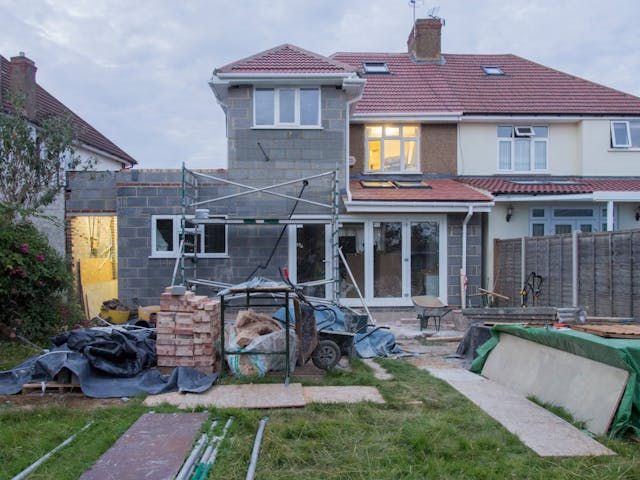
One of the most obvious and influential elements of sustainable renovation is the selection of materials. Recycled materials prevent the need to produce new materials and keep used materials out of landfills. Options include reclaimed floor and beam wood, recycled metal fixtures, re-purposed bricks and stone, and low-emission finishes.
Conventional paints, stains, and adhesives have volatile organic compounds (VOCs) that collect in the indoor air and harm human health. The use of low-VOC paints and zero-VOC paints, sealants, and finishes can improve indoor air quality and limit toxic exposure.
Alternative hardwoods such as bamboo, cork, or linoleum are fast growing, and do not use as many resources compared to regular hardwood or petroleum products. Look out for FSC (Forest Stewardship Council) or PEFC (Programme Forest Certification) certifications to ensure your wood is sourced responsibly.
Water Conservation Strategies
One of the most valuable resources we have is water. Green renovations are focused on minimizing water consumption. Low-flow toilets, showerheads, and faucets perform the same tasks as their unsustainable counterparts while using less water.
Greywater systems are cassations of baths, showers and sinks where the water is collected and used to irrigate or flush toilets or other non-drinkable purposes.
In certain areas, the garden may be irrigated via rainwater harvested by roof catchment systems. Rainwater can also be stored in tanks which may be used as an alternative source of non-potable water.
Waste Management and Recycling
Renovations generate waste. Ensuring that most of it is not in landfills can be done by planning ahead.
Where possible consider removing features by deconstructing them piece by piece rather than destroying them. Disassembled materials may be reused during your renovation, recycled into new products, or given to building reuse organizations or on-site recycling stations. Prepare separate containers containing wood, metal, drywall, and plastic so as to make sorting and recycling easier. Be sure to collaborate with waste management companies that focus on recycling and are able to dispose of hazardous and toxic materials properly.

The IAQ: An Unspoken Sustainability Priority
Indoor air quality has an impact on the health and well-being of occupants. Sustainable renovations can address this by reducing the amount of pollutants and enhancing ventilation. Proper circulation of fresh air is done by installing or updating ventilation systems. HRVs and ERVs introduce fresh air, while reducing energy loss.
As previously mentioned, the use of low-VOC products will prevent chemical pollutants from lingering in your residence. Sustainable materials such as wool insulation, natural fiber carpets, and others also produce fewer harmful pollutants than artificial ones.
Integration of Renewable Energy
With renewable energy systems installed, you can maximize the greenness of your renovation. Photovoltaics (PV) make sunlight into electricity and can greatly help in sunny climates to cut down on the use of grid power. Instead of gas or electric water heaters solar thermal systems utilize the power of the sun to heat water. You can save the surplus energy from these systems using battery storage and use it when needed or even when you aren't at home.
Sustainable Smart Home Technology
By optimizing the use of resources, smart technology is incredibly efficient. Smart thermostats will know your routine and automatically regulate the temperature to save unnecessary heating or cooling. Energy monitoring displays are real-time energy consumption displays that enable you to determine where you can reduce consumption. Automated lighting appliances minimize energy waste by making sure that lights and other gadgets are only used when needed.
Concluding Remarks: Sustainability as a Whole
Sustainable home renovation is not a checklist, it's a way of thinking. It involves taking into consideration the effects each phase has on the environment, including design, demolition, construction, and use. Thoughtful decisions not only help you make your environmental footprint smaller, they also make your home healthier, more efficient, and resilient.

Citations
International Energy Agency. (2023). Energy efficiency 2023. https://www.iea.org/reports/energy-efficiency-2023
U.S. Environmental Protection Agency. (2023). Green building basics. https://www.epa.gov/green-building
U.S. Environmental Protection Agency. (2024). Indoor air quality and volatile organic compounds (VOCs). https://www.epa.gov/indoor-air-quality-iaq
U.S. Department of Energy. (2023). Energy efficiency in homes. https://www.energy.gov/energysaver
U.S. Department of Energy. (2024). Insulation. https://www.energy.gov/energysaver/insulation
U.S. Green Building Council. (2024). LEED rating system. https://www.usgbc.org/leed
WaterSense, U.S. Environmental Protection Agency. (2023). Water-efficient products and practices. https://www.epa.gov/watersense


