

Why Eco-Friendly Nail Routines Are Becoming Mainstream
Jean Sistaco
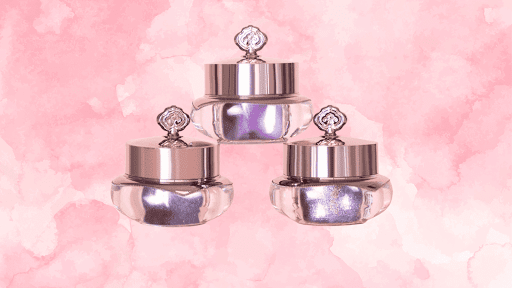
Eco-friendly beauty is no longer a trend that lives on the margins, focusing on looks only. It has actually become part of the main conversation where ingredients are becoming more and more important than ever.
This eco-conversation is beginning to include how people think about their everyday routines, including nail care. What once felt like an occasional “green” swap reserved for nail enthusiasts is now a broader shift in mindset that includes:
Fewer products
Gentler formulas
Routines that feel better long-term, for both personal health and the environment
Nail care is now changing as people move away from high-maintenance, high-waste habits and toward routines that are easier to sustain and long-term friendlier without sacrificing looks.
The Need to Change to a Healthier Routine
For years, nail routines were built around frequent salon visits, constant removal, and repeated exposure to strong chemicals. This is due to the “visual” nature of nails that simply focused on how they looked, not how they felt or how they were.
While effective in the short term, these habits often came with downsides:
Weakened nails
Irritation
A growing amount of waste from single-use tools and packaging
Awareness has grown across beauty categories, and it’s not something reserved for hair or skin. People have started applying the same standards to nail care.
The question is simple but important: What am I even putting on my nails?
This awareness has pushed many consumers toward routines that focus more on nail health, longevity, and balance, rather than frequent transformations that simply look good. This new eco-approach finds the perfect balance between the two worlds: looks and nail health.
Sustainable nail care isn’t about giving something up; it’s about choosing options that work better over time.
Most Trending Sustainable Nail Routines
Eco-friendly nail routines tend to be simpler, slower, and more mindful because the main goal is to care for the nail (restore, hydrate, strengthen, etc).
Some of the most common shifts towards better nail care include:
Longer-Lasting Nail Systems
Instead of redoing nails every week, many people are choosing systems designed to wear well over time and grow out naturally. This reduces product use, limits removal steps, and puts less stress on the nail plate.
This situation has also changed the way people approach their nail system as a whole. Now, the switch has made people reconsider nail salons altogether.
Low-Waste Maintenance
Reusable tools, reusable nail systems, gentle filing techniques, and fewer disposable items are becoming standard. These routines prioritize upkeep, like shaping, nourishing, and protecting, over constant replacement.
Health-Focused Nail Color Choices
When it comes to color, mineral bond systems are often part of eco-friendly routines because they align with sustainability goals: fewer harsh steps, less frequent removal, and a focus on nail condition rather than just appearance. But they are not the only ones.
Consciousness surrounding non-toxic colors has also become more popular. Non-toxic, HEMA-free, TPO-free, and even sustainable press-on nails.
Less “Trend Cycling”
Instead of switching colors or styles constantly, sustainable routines lean toward timeless looks that stay wearable longer and require fewer touch-ups. A popular option that has been around for some time is sustainable press-on nails.
This is where creativity comes in. Nail systems are now changing the way we think about our nails, and now it’s not just about the short-term; It’s about the long-term nail care.
The Non-Toxic Conversation We Can’t Avoid Anymore
Sustainability and non-toxicity are closely connected, especially in nail care. You simply can’t have one without the other.
As people learn more about ingredients used in beauty products in general and the potential damage these bring, many are becoming cautious about what they apply regularly and what they remove just as often.
Nails are exposed repeatedly during manicures, and aggressive products can weaken them over time. This has led to growing interest in nail systems that avoid unnecessary harsh ingredients and prioritize gentler wear and removal.
The conversation surrounding nail care mirrors what happened in skincare and hair care: once consumers became more informed, expectations shifted.
Today, an eco-friendly nail routine often means choosing products that support nail health while reducing chemical load and waste to support a nail care routine that can be replicated over time.
TPO: The Silent Enemy We Didn’t Know We Had
After Europe banned TPO in cosmetics on September 1, 2025, TPO became the focus of a completely different conversation surrounding non-toxic ingredients in nail products, and this switch made an entire industry tremble.
TPO is an oily photoinitiator that, in plain English, absorbs UV or visible light to help the nail color harden quickly and evenly. Research has suggested that, under UV exposure, TPO can break down into byproducts that may be sensitizing or potentially irritating to the skin.
From a cosmetic chemistry perspective, key issues include:
Photoreactivity: TPO is activated by light, which is essential for curing nails, but that same reactivity can affect surrounding skin.
Skin contact risk: Improper application or flooding the cuticle area increases exposure.
Allergic reactions: Some users develop contact dermatitis after repeated use.
Hard-to-avoid exposure: Even careful users may experience skin contact during application or removal.
This change, while recent and EU-focused, is already showing signs of change even in countries where TPO is still allowed to be used as an ingredient in nail products.
Tips to Make the Change
Switching to an eco-friendly nail routine doesn’t require a complete overhaul or a 10k budget. Small, thoughtful adjustments can make a real difference:
Stretch your manicure lifespan by choosing systems that wear longer and grow out well, and that can be reused.
Focus on nail condition, not just how nails look on day one.
Simplify your routine to reduce waste and unnecessary steps.
Choose gentler systems that don’t rely on aggressive removal.
Build habits you can maintain, not ones that feel restrictive.
Eco-friendly nail routines are becoming mainstream because they feel practical, and they serve a purpose greater than just looks. They not only save time but also reduce unnecessary exposure and fit more naturally into modern beauty habits. It’s not about getting over it; it’s about consistency.
As people continue to rethink what sustainability looks like in daily life, nail care is finding its place, quietly evolving into something healthier, simpler, and easier to stick with.
Citations
CNN, “Gel Nail Polish Chemical Ban in Europe,” September 4, 2025, https://edition.cnn.com/2025/09/04/health/gel-nail-polish-chemical-ban-europe-wellness.
Coherent Market Insights, “Global Nail Care Market to Hit $35.97 Billion by 2032 at a CAGR of 5.5%,” GlobeNewswire, April 1, 2025, https://www.globenewswire.com/news-release/2025/04/01/3053577/0/en/Global-Nail-Care-Market-to-Hit-35-97-billion-by-2032-at-a-CAGR-of-5-5-says-Coherent-Market-Insights.html.
European Commission, Trimethylbenzoyl Diphenylphosphine Oxide (TPO), accessed March 8, 2026, https://health.ec.europa.eu/publications/trimethylbenzoyl-diphenylphosphine-oxide-tpo_en.
Market Report Analytics, “Eco-Friendly Nail Polish Market’s Evolution: Key Growth Drivers 2025–2033,” accessed March 8, 2026, https://www.marketreportanalytics.com/reports/eco-friendly-nail-polish-205275


