Lost Gear, Lasting Impact: Tackling Ghost Gear Through Fisheries Governance
Brealin Maya

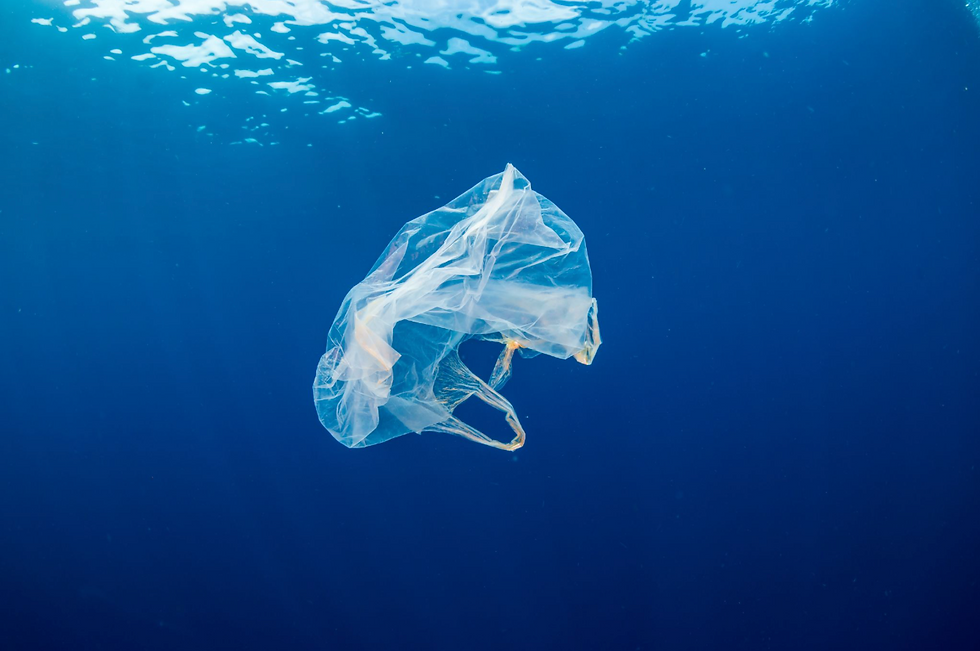
When we picture plastic pollution in our oceans, we often imagine drifting bottles or grocery bags. But one of the most persistent and destructive sources of marine plastic is far less visible: fishing gear. Nets, ropes, traps, and lines that are lost, abandoned, or discarded at sea, collectively known as "ghost gear," continue to trap and kill marine life long after fishers lose control of them, while also breaking down into microplastics that enter the food web. Globally, at least 640,000 tonnes of abandoned, lost, or discarded fishing gear (ALDFG) enter the ocean every year, and it's estimated to make up as much as one-fifth of all ocean plastic.
The temptation is to treat this as a littering problem, one that individual fishers cause and individual cleanups can solve. But the evidence tells a different story. Ghost gear is a governance problem. How gear is manufactured, tracked, marked, regulated, and recovered determines how much of it ends up in the water in the first place and how long it stays there once it does.
In a study published in the 2025 journal Marine Pollution Bulletin, research was conducted on biodegradable co-polyesters (PBSAT and PBSA) in comparison to conventional nylon (PA). The study found that at typical seafloor temperatures, biodegradable monofilaments could lose half their strength in 10 to 20 years, compared to roughly 1,500 years for nylon. This difference in material persistence is significant because conventional nylon can remain in the marine environment for centuries after fishing gear is lost, allowing it to continue functioning as ghost gear. Lost nets and other fishing gear can continue trapping, injuring, and killing fish, marine mammals, sea turtles, and other organisms long after they are no longer being used. As the gear gradually breaks down, it can also contribute to the accumulation of smaller plastic particles in marine ecosystems. Faster-degrading materials may therefore help reduce the long-term impacts of lost fishing gear and associated microplastic pollution. This is crucial information when considering making changes to fisheries policy in order to mandate or incentivize the switch to these materials. Currently, most nets are still made from durable, long-lasting nylon and polyester because these materials provide the strength and durability needed for fishing, but policies that also account for their environmental costs could encourage the development and adoption of less persistent alternatives.
This is where governance interventions come into play, and where real progress is being made. The FAO and International Maritime Organization's GloLitter Partnerships Project, launched in 2021 with 30 partner countries, promotes gear-marking requirements so lost gear can be traced back to its owner, and encourages compliance with MARPOL Annex V, which prohibits discharging plastic, including fishing gear, from ships. In North America, the Global Ghost Gear Initiative has trained fishers in Mexico's Baja California Sur to use gear-tracking buoys, certified divers to retrieve lost gear, and removed over half a ton of ghost gear from the water, demonstrating that prevention and recovery infrastructure works when communities are given the tools and training to use it.
At the same time, research from Norway's demersal fisheries shows the limits of current systems. Existing regulations there focus almost entirely on retrieving lost "macro-debris" rather than the continuous, invisible shedding of microplastics during regular gear use. No regulation currently requires minimum gear durability, polymer type, or abrasion resistance. The researchers argue that closing this gap will require Extended Producer Responsibility (EPR) schemes, which shift responsibility for waste management from fishers and governments to the producers who design and manufacture fishing gear. In the European Union, this approach has already been incorporated into the EU’s Single-Use Plastics Directive, which requires producers of certain fishing gear containing plastic to contribute to the costs of collecting, transporting, and treating fishing gear waste and to participate in awareness and prevention efforts. By making producers financially and legally involved in managing the waste their products create, policies like these can create incentives to design fishing gear that is more durable, recyclable, and less harmful to marine ecosystems.
Taken together, these findings point to a clear conclusion: fishing-gear pollution is preventable, but only through systems that include accountability at every stage, gear marking so lost equipment can be traced, recovery programs with real infrastructure and funding, material standards that favor lower-impact polymers, and producer responsibility that shares the burden beyond individual fishers. As negotiations continue toward a global plastics treaty, fishing gear governance offers a concrete, achievable test case for what real advocacy can look like, not just cleanup, but prevention built into the system itself.
Citations
“Addressing Ghost Gear in North America.” Commission for Environmental Cooperation, 20 Dec. 2022, www.cec.org/addressing-ghost-gear-in-north-america/.
McKenna, Josephine. “Global Initiative Tackles Marine Litter to Clean up the World’s Oceans.” Food and Agriculture Organization of the United Nations, 26 Feb. 2025, www.fao.org/newsroom/detail/Global-initiative-tackles-marine-litter-to-clean-up -the-world-s-oceans/en.
“Single Use Plastics Directive.” Europen: Shaping a Sustainable Future for Packaging, 17 Sept. 2024, www.europen-packaging.eu/policy-area/single-use-plastics-directive/.
Standal, Dag, and Emily Cowan. “Microplastic pollution from fishing gear: Emerging risks and management pathways.” Marine Policy, vol. 193, Nov. 2026, p. 107225, https://doi.org/10.1016/j.marpol.2026.107225.
Wataniyakun, Waranya, et al. “Biodegradable fishing gears: A potential solution to ghost fishing and Marine Plastic Pollution.” Marine Pollution Bulletin, vol. 212, Mar. 2025, p. 117607, https://doi.org/10.1016/j.marpolbul.2025.117607.