How Vapes and E-cigarettes are Affecting Our Environment
Jenna Levine

There’s no secret that vaping and smoking e-cigarettes are harmful to human health, and with their continuous growth in popularity, one can't help but wonder what kind of harm these smoking devices are doing to the environment.
The Marine Conservation Society highlights the dangers of single-use vapes. With 14 million single-use vapes being sold each month in the UK alone, so many are ending up on the streets to pollute the environment and eventually make their way into the rivers and ocean. Because disposable vapes contain so many different materials, such as plastic, copper, lithium and more, recycling the device isn’t as easy as simply throwing it away. When materials aren’t placed into the proper recycling bins, they contaminate the rest of the contents then none of it can be recycled. With vapes, the chemicals within the devices can cause severe toxic chemical pollution.
In 2023 alone, Americans threw away 500,000 vapes. This is equal to 5.7 disposable vapes thrown out each second in just 2023. With this in mind, it’s important to understand that vapes are particularly harmful to the environment because they produce three different forms of waste: hazardous waste, electronic waste (e-waste), and plastic waste.
Disposable pods can’t be recycled with other plastic waste because they contain nicotine. As determined by the Environmental Protection Agency (EPA), nicotine is considered an acute hazardous waste. The toxic chemicals from vapes and other nicotine products can accumulate in soil and aquatic ecosystems, leading to contaminated drinking water and foods.
When throwing away vapes, not only should you be mindful of the toxicity of the nicotine but the other types of chemicals and materials within the product as well. Vapes contain a vaporizer with a circuit board, which are made of heavy metals, which rely on the use of lithium-ion batteries. When these are not properly disposed of they can have detrimental effects. For example, they pose a fire risk in waste and recycling facilities, especially if they're damaged or exposed to high heat, which can put waste collectors in dangerous situations.. Alternatively, if the batteries are simply discarded as litter, the chemicals can leach into the environment, as mentioned before, leading to contamination and the destruction of ecosystems.
Finally, the plastic of these smoking devices can take hundreds of years to decompose, leading them to pile up in landfills and waterways. Animals end up eating these plastics, which leads to injury and even death. These plastics will also break into tiny pieces of plastic, or microplastics, which end up in our food and could damage our cells and tissues, or expose us to harmful chemicals.
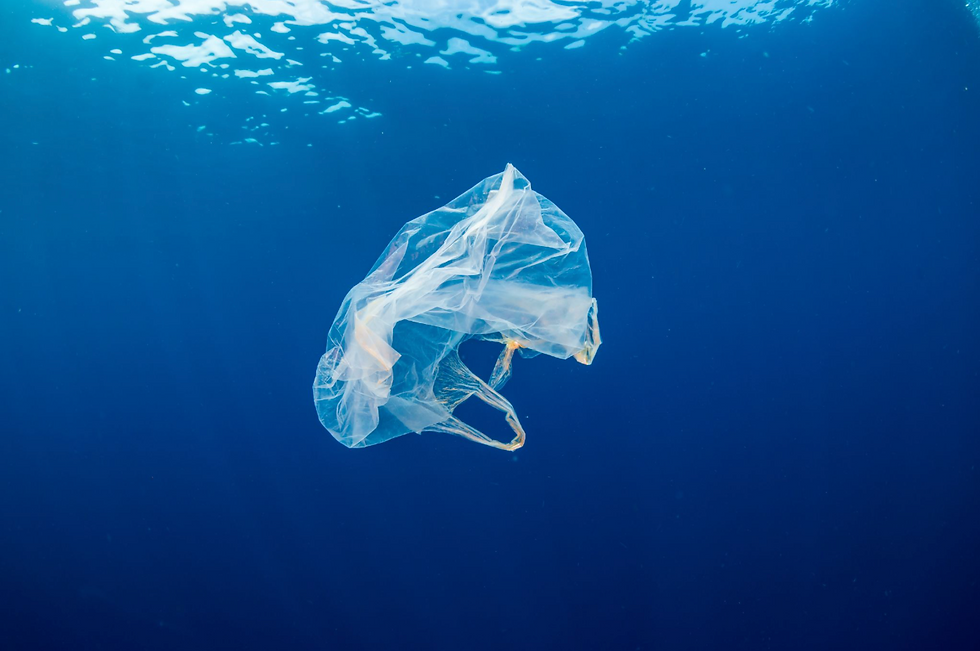
All of these non-biodegradable plastics and materials will end up in oceans and threaten ocean life. There has been a significant increase in vaping device waste found during beach cleanups and other ocean conservancies. With such a drastic increase in the use and acceptability of vaping devices, vape waste has the potential to become the number one waste and litter item in the U.S. persisting in nature without decomposing.
Many who do vape report issues that keep them from being able to properly or safely dispose of their used and empty e-cigarette products. Nearly half (46.9%) of e-cigarette users report their smoking devices did not provide any disposal information, such as where to send used batteries or empty pods. Even more alarming, more than half (57.8%) of those who had used e-cigarettes in the past month found it inconvenient to dispose of e-cigarette waste responsibly.
It’s important that e-cigarette manufacturers begin to provide users with disposal information in order to regulate the amount of different waste produced by the smoking devices. Simply instating new laws and regulations for manufacturers would be a great step in the right direction.
Citations
Gutterman, Lucas. “Vape Waste: The Environmental Harms of Disposable Vapes.” U.S. PIRG Education Fund, 6 Mar. 2024, https://pirg.org/edfund/resources/vape-waste-the-environmental-harms-of-disposable-vapes/. Accessed 23 Aug. 2026.
Horton, Helena. “Increase in Vapes Found on Britain’s Coastline by Beach Clean Volunteers.” The Guardian, The Guardian, 5 Aug. 2025,
https://www.theguardian.com/environment/2025/aug/06/increase-vapes-found-britain-coastline-beach-clean-volunteers. Accessed 13 Aug. 2026.
“Marine Conservation Society.” Https://Twitter.Com/Mcsuk, 2025,
https://www.mcsuk.org/what-we-do/pollution/marine-litter/disposable-vapes-and-cig-butts/. Accessed 13 Aug. 2026.
Positive Choices. “The Environmental Impacts of E-Cigarettes/Vaping Explained.”
Truth Initiative . “A Toxic, Plastic Problem: E-Cigarette Waste and the Environment.” 8 Mar. 2021.
UNDO. “Vapes Are Toxic Waste Polluting Our Environment - UNDO.Org.” 22 Mar. 2022.