The Cost of Polyester
Sabrina Xu

In today’s fast fashion culture, 60% of all new clothing is made up of polyester (UNEP). It’s cheap, wrinkle-resistant, and durable. But the number on the price tag does not account for the microplastic fibers shed or the carbon emissions released during production.
Polyester is created using two chemicals, ethylene glycol and terephthalic acid, derived from processing petroleum, a non-renewable natural resource (SewGuide). Then, through polymerization, the two petrochemicals are chemically bonded under heat, forming long repeating chains called polymers, specifically polyethylene terephthalate (PET). Next, the molten hot plastic is cooled into little pellets for shipping and later re-melted and extruded into long continuous fiber. Lastly, the fiber is spun, dyed, textured, washed, and woven into fabric.
Nearly every stage of polyester production requires intense heating, from refining crude oil to melting the PET pellets. Thus, the production of polymer clothes emits 30% more carbon dioxide than natural fibers, such as cotton (ClimateScience). Furthermore, because of its synthetic chemical structure, polyester is non-biodegradable and may take more than 200 years to break down (greenmatch.co.uk). Instead of decomposing, it breaks into microscopic pieces that can penetrate the skin, infiltrate the lungs, and pollute the land. In other words, every bit of polyester ever made still exists, whether it is in your body, your closet, the soil, or the sea.
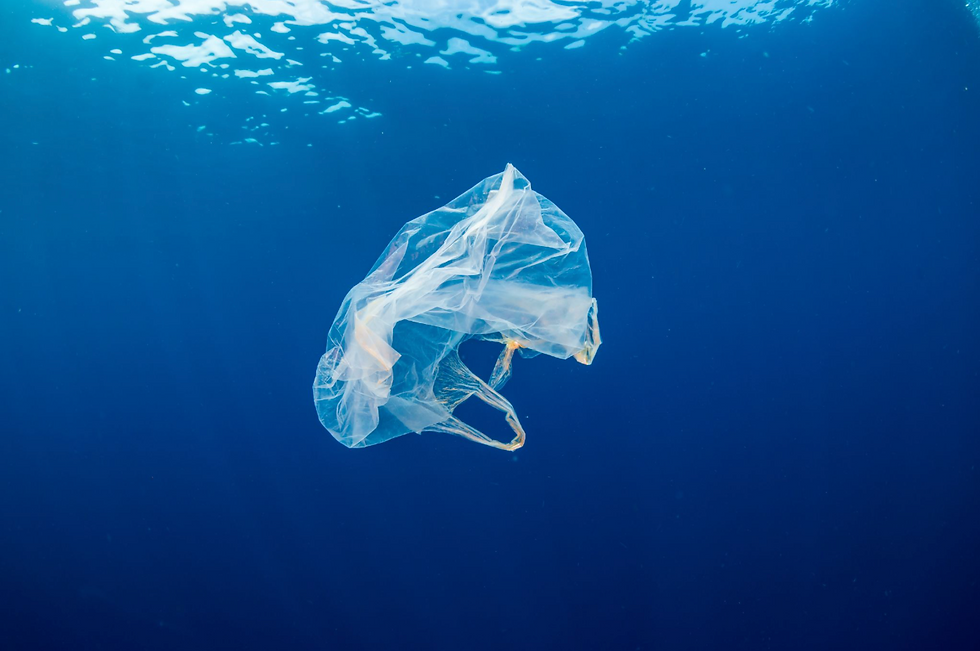
A single load of laundry can release up to 18 million microplastic fibers (MPFs), many of which make their way to the ocean (oceanconservancy). But the effects of microplastics and microplastic fibers on living organisms are still being studied. In an experiment conducted on mice by the University of Veterinary and Animal Sciences in Pakistan, researchers found that prolonged exposure to increasing amounts of polyester microfibers caused anemia and suggested potential negative effects on blood and liver function (ScienceDirect).
Though the production of polyester clothes will not end immediately, there is power in your dollar. Opting for natural or recycled fibers is an alternative that can protect your health, reduce microplastic pollution, and shrink your carbon footprint. So the next time you go on a shopping spree, check the material composition tag, feel the texture, and remember the hidden cost not explicitly stated in the price.
Citations
"Fashion's Tiny Hidden Secret." UNEP, www.unep.org/news-and-stories/story/fashions-tiny-hidden-secret.
"Is Polyester Bad for the Environment? Statistics, Trends, Facts & Quotes." GreenMatch, www.greenmatch.co.uk/is-polyester-bad-for-the-environment.
"Microplastic Fibers." Ocean Conservancy, oceanconservancy.org/work/plastics/microplastic-fibers/.
Razzaq, Saira, et al. "Impact of Dietary Exposure to Polyester Microfibers on Hematology, Serology and Histology in a Mouse Model." Environmental Research, 2024, www.sciencedirect.com/science/article/abs/pii/S0013935124020826.
Tariq, Sarina. "Manufacturing Process of Polyester (10 Steps)." Sewguide, sewguide.com/how-is-polyester-made/.
"Where Do the Emissions Come From?" ClimateScience, climatescience.org/new-courses/industrial-innovation/advanced-textiles/where-do-the-emissions-come-from.