The Future of “Natural” Plastics
Tallula O’Brien

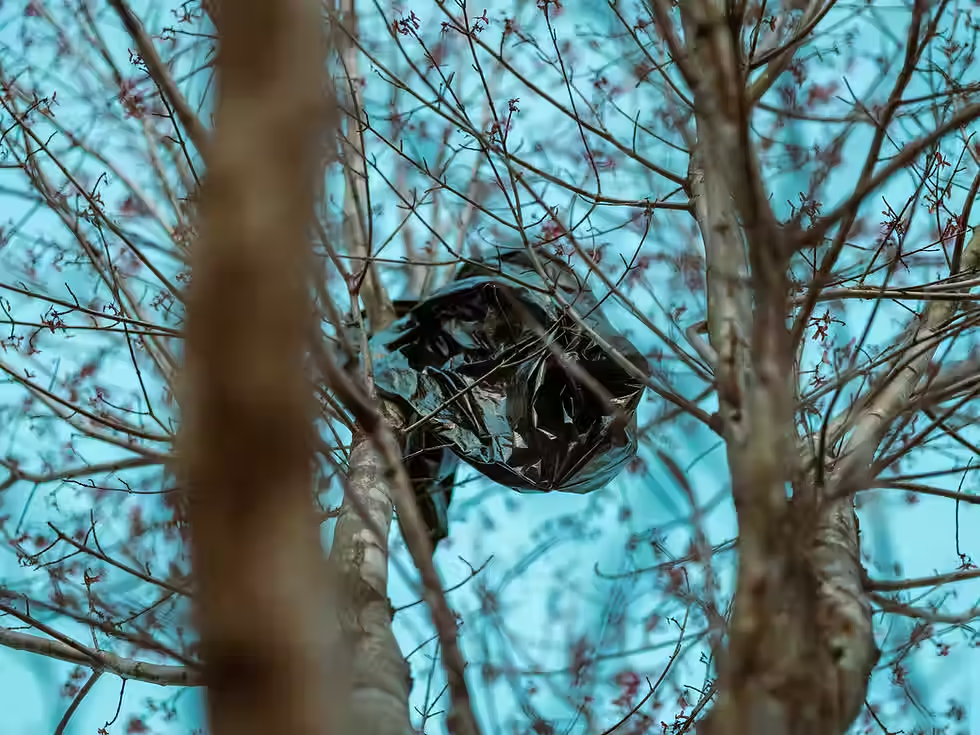
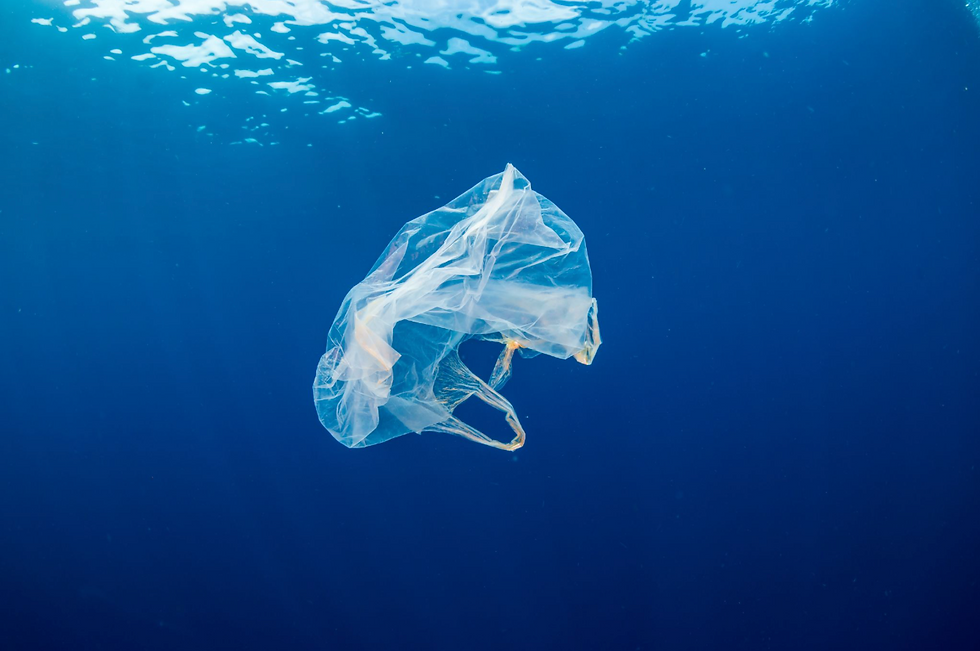
Every day, an average of 61.3 million packages are delivered to doorsteps across the United States (Capital One Shopping, 2024). Many arrive as bags within bags, holding products that occupy at most a fraction of their enclosure and are stuffed with bubble wrap, Styrofoam, or any of the numerous plastics mass-produced in the industry. Although plastic packaging is often ideal for manufacturers due to its durability and low cost, it has detrimental effects on our environment, creating thousands of tons of marine litter as well as widespread chemical contamination from landfills. Given the threat posed to wildlife, humankind, and the health of our ecosystems worldwide, it is crucial that the global market reduces reliance on plastics as the primary packaging material- and scientists in Finland have begun to lead the effort.
As of early June, Finnish researchers have progressed a replacement for plastics through the Films for Future project, a research initiative that aims to replace fossil-based films with bio-based materials. The product is developed around a cellulose-based film that measures up to new performance and lifecycle requirements established by the EU Packaging and Packaging Waste Regulation (PPWR) ("Finnish Project Advances Cellulose Packaging Films," 2026). This is especially significant because, when creating eco-friendly alternatives, capability is often sacrificed for sustainable sourcing and degradability. The material had already proven to live up to both standards in its pilot phase in 2022, and is now said to be ready for commercialization on a larger scale.
Conducted by the VTT Technical Research Centre of Finland and LUT University, the Films for Future project has utilized new technology that allows cellulose to be processed as a polymer rather than a fiber (Editorial Team, 2026). This means the film is both transparent and sturdy, comparable to traditional plastic, and meets modern plastic regulations. So far, the material has matched the low oxygen transmission rates of conventional plastic barriers, meaning oxygen gas is slower to penetrate the coating (Editorial Team, 2026). This is especially crucial when it comes to food items, as too much oxygen exposure can lead to spoilage or degradation during shipment and processing. Additionally, because cellulose is a natural polymer, the material is biodegradable, unlike plastics. To compare, the average lifecycle of a plastic-based item can persist for decades or even centuries, and causes irreversible environmental harm not just through litter and marine pollution, but through the microplastics released during its breakdown.
The success of plastic alternatives is a groundbreaking step in reducing the negative impacts global consumerism has had on the environment. Although this technology is new and still has a long way to go before it is applied worldwide, Films for Future is taking promising strides to enact realistic change.
Citations
Capital One Shopping. (2024, February 20). Package Delivery Statistics (2024): per Day, Month & Year. Capital One Shopping. https://capitaloneshopping.com/research/package-delivery-statistics/
Finnish project advances cellulose packaging films. (2026, June 10). Labelsandlabeling.Com. https://www.labelsandlabeling.com/news/new-products/finnish-project-advances-cellulose-packaging-films
Editorial Team. (2026, June 12). Cellulose Films Advance Plastic-Free Packaging. Paperadvance.Com; Paper Advance. https://www.paperadvance.com/sciences-innovations/paper-advancement/cellulose-films-advance-plastic-free-packaging.html